10+ Years in Chemical Export
30+ Successful Shipments Worldwide
ISO-Certified Quality Management
Trusted by 100+ Industrial Clients
Our quality system adheres to ISO 9001 and GMP frameworks. Raw materials require verification of a third-party Certificate of Accreditation (COA) upon arrival, and production processes follow Standard Operating Procedures (SOPs) and batch records. All products come with a COA, MSDS, and TDS.
Leveraging the end-to-end production capabilities of our own certified factories, we can reliably guarantee order delivery with a standard lead time of 30-45 days, and maintain regular inventory of products. Furthermore, we can provide a complete set of export documents, including certificates of origin and declarations of conformity, to help clients efficiently complete customs clearance at the destination port.
Technical support covers the entire product introduction cycle:
1) Free samples provided;
2) Formula adjustment suggestions for issues such as agglomeration, dissolution rate, or purity;
3) Customized consultation and production based on your target specifications.
We integrate sustainable practices throughout our manufacturing processes, focusing on raw material control, safe production, emission reduction, and regulatory compliance. Our facilities operate under strict quality and environmental standards to ensure responsible and reliable chemical supply.
Our Sustainable Development
We continuously develop new chemical solutions and refine processes to meet evolving industry demands.

Our operations prioritize environmental stewardship, responsible sourcing, and long-term resource efficiency.

Consistent quality, stable supply, and responsive support ensure our partners can trust us in every project.
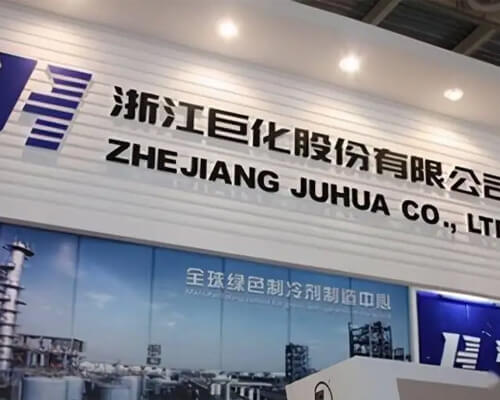
Manufacturing chemicals requires a blend of precision, scale, and long-standing investment. Zhejiang Juhua Co., Ltd. stands among those who have chosen the challenging road of building deep capability in a field where small missteps can turn into big setbacks. Over the decades, the company has become known for specialty chemicals, especially fluorochemicals. This niche brings its own standards for environmental control, safety, and innovation. In my own plant, demand for reliable refrigerants or fluoropolymers rises and falls with the market’s waves, but no shortcuts exist for quality or consistency. Unlike traders, manufacturers see the full landscape. Running reactors, managing byproducts, and designing systems for energy recovery and waste minimization all ask for long-term thinking. Juhua’s investment in vertical integration opens options that resellers simply cannot touch. This decision means the company delivers its own feedstocks, controls most process variables, and learns from process deviations in real time. Anyone who has wrestled with unpredictable upstream suppliers, especially in this segment, understands how much smoother production flows when the supply chain runs under one roof. That takes capital and technical courage; it also attracts contracts from customers who know the risks of off-spec material or missed deliveries. For those of us invested in continuous operation, reliable peer manufacturers take pressure off the industry as a whole—more stability, fewer panic-driven price spikes, less uncertainty in long-term planning. Making fluorinated chemicals stands at the intersection of chemistry and careful environmental management. The world sits on edge over emissions like HFCs or PFCs. I have walked floors where trace leaks or minor spills stirred concern—not only for compliance but for worker safety and brand trust. Zhejiang Juhua has done work to reduce emissions from their high-volume production sites, investing in closed-loop processes, reclamation units, and pilot projects for greener alternatives. These decisions go beyond check-the-box compliance; they answer a real risk, because a single accident—or even a chronic minor violation—can shut down a plant or turn away major buyers. Facing stricter European and North American import standards, Juhua’s push for cleaner production wins credibility. That also pushes the rest of us to adapt or get left behind. From raw material handling to wastewater purification, the technical details matter. My own plant has spent years adjusting catalysts or modifying filtration steps just to squeeze out an extra percentage point in waste reduction. Zhejiang Juhua’s reputation shows that technical detail gets rewarded in the market, which in turn keeps the technology moving forward. Suppliers who cut corners often find their material rejected, and that’s one headache buyers never forget. This approach, building an in-house toolbox for both process chemistry and compliance, changes the conversation from reactive to proactive. Sustained R&D cannot be separated from daily operations in specialty chemicals. Many forget that innovation is not only about inventing new products but also reengineering old ones for today’s needs. Juhua invests heavily in research, often partnering with technical institutes and universities. The result spills into the rest of the sector: improved catalysts, better reaction selectivity, smarter approaches to byproduct management. At our facility, collaboration and hiring from the same academic pipelines helps raise the bar for what gets accepted as normal operating procedure. Learning from those at the leading edge, especially in complicated fields like fluorinated intermediates, helps every manufacturer tighten controls and reduce “learning by accident.” Staff development also stands out. Juhua takes on apprentices, funds certifications, and rotates engineers across departments, ensuring practical versatility. We have seen similar benefits by doing the same, since a workforce that jumps between process improvement, maintenance, and quality control brings solutions that textbooks alone cannot provide. This approach guarantees that when equipment falters or raw materials deviate, reaction is faster and troubleshooting less disruptive. Retaining skilled teams keeps the machines running and the customer complaints down. That advantage cannot be bought off a shelf—years of investment show their value during unplanned outages or project launches. Chinese chemical producers used to face doubts about reliability and regulatory seriousness, especially from overseas buyers. Juhua’s track record shows how perception changes when product consistency meets regulatory alignment. The company’s exports now flow to both advanced and developing economies, often supporting industries that cannot afford unplanned downtime. Many of the resins or gases I work with trace back to origins like Juhua’s plants in Quzhou. As tariffs, logistics challenges, or sudden supply interruptions ripple through the market, having established volume suppliers keeps contracts—and the wheels of downstream industries—moving. This influence rises beyond just price or speed. Their presence raises expectations for documentation, material traceability, and logistics accuracy. Large customers now require data on batch composition, carbon footprint, and supply disruption risk—a trend sparked by leading manufacturers who push digitalization and system integration deep into their operations. My own staff spends more time coordinating order tracking and warehouse optimization because peer companies have forced those expectations higher, benefiting both end users and the environment. That helps everyone hedge against crisis. No company escapes the industry’s harder lessons. Energy consumption, waste management, and international politics continue to shape how plants operate. Global demand for fluorochemicals looks set for realignment as the world phases out ozone-depleting substances and tightens CO2 limits. Responding takes both agility and a willingness to rebuild. Zhejiang Juhua now faces pressure to commercialize new generations of refrigerants and to prove lifecycle sustainability—not just for the chemical, but for its entire process chain from mine to finished product. That complexity extends all the way down to us on the shop floor, where each maintenance round or fresh batch order can shift emissions or cost margins. There remains room for honest debate about overcapacity, price wars, and patent disputes. Every seasoned manufacturer knows the pain when new entrants sell below cost in hopes of grabbing share. Stabilizing strategies and long-term partnerships help fix some of the jagged cycles, though the market never stays still for long. As regulatory controls only get tighter, factory upgrades, digital transformation, and cross-border collaboration with both users and even competitors may offer relief. Investment in on-site solar or cogeneration is proving its worth under today’s energy prices. Those who lean into these realities, as Juhua has, will steer the pace and direction of the entire market’s next phase. CONTACT INFORMATIONWebsite:https://www.zhejiang-juhua.com/Phone:+8615371019725Email:sales7@bouling-chem.com
Continue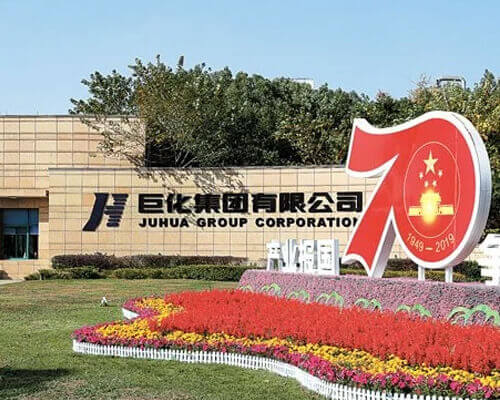
Some names stand out in the world of fluorochemicals and advanced materials, and Zhejiang Juhua Group Corporation draws attention for good reason. Decades in this field go beyond any fleeting market trend. In the trenches of chemical production, daily work means managing innovation, compliance, and the drive for efficiency – not just ticking boxes, but weaving them into the manufacturing process from begin to end. That’s a responsibility the people at Juhua experience every day. When a name becomes a fixture in headlines, the real story unfolds inside production floors, laboratories, and supply chain conversations. Ups and downs come and go, but a manufacturer walks long roads few outsiders see.Juhua’s focus has landed on specialty chemicals with high technical barriers. Fluoropolymers, refrigerants, and related advanced materials fill out the backbone in electronics, automotive, construction, and even defense. There’s often little room to maneuver or cut corners. Fluorine chemistry demands experience with energy use, emission control, and strict safety protocols. Navigating compliance—especially environmental—is no small feat when dealing with greenhouse-gas regulations, refrigerant phase-down schemes under the Kigali Amendment, and national safety standards. Supply chain disruptions become front-page stories. But each day, some of us juggle logistics, raw material volatility, trade restrictions, and the challenge of training new technicians who grasp more than books can offer. It takes a gritty blend of experience, investment, and forward-thinking, not luck or short-term speculation.Customers in electronics or automotive demand assurance in stability and continuity. High-purity gases used for chipmaking can’t just be “good enough.” Down the line, a single batch deviation risks product recalls and millions in losses—not only for the producer but for downstream brands. That pressure pushes chemical manufacturers toward continuous upgrading of plants, real-time monitoring, investment in digital twins, and loss-prevention systems. Manufacturing at this scale isn’t about prestige. It’s a daily test—running reactors, purifying fluorochemicals, and scrubbing waste gases. Risks multiply with scale, both in operational safety and the ability to live up to sustainability commitments. Juhua’s large footprint means scrutiny comes not just from domestic regulators, but from multinational partners who demand lifecycle transparency for every shipment.Environmental responsibility has become a matter of survival in chemical production. Operations like ours have seen earlier decades where little thought was given to legacy waste or resource use. With time—and under market and public pressure—Juhua and others developed flue-gas treatment systems, solvent-recycling setups, and onsite closed-loop recycling for water and perfluorinated byproducts. Not every solution is elegant, and often it brings costs higher than the initial raw materials themselves, but experience shows that sustainable practice preserves a plant’s future. Sometimes, investments mean turning down high-margins for slow, sustained gain. Listening to feedback from communities and authorities after a single incident often leads to tough changes even if it means rewriting standard procedures or extending facility shutdowns for a thorough retrofit. Accountability has no shortcut.Innovation in fluorine chemistry runs up against strict patent landscapes, but it doesn’t stop there. Internal competition pushes R&D departments to experiment with new catalysts, improve yield and lower energy input, and tailor products for novel uses in lithium batteries, green refrigerants, or medical devices. Once a new process proves viable, scaling to industrial lines takes more than funding. Tight control over every step saves time and hard-earned trust. Many in this field understand that a process improvement today staves off major headaches five years down the road. From procurement to after-sales tech support, a chemical manufacturer cannot afford blind spots. For each new development, feedback from end users and regulatory bodies shapes improvements more than any white paper or cost-benefit model.Price competition from abroad puts pressure on domestic giants. China’s chemical industry faces both export bans and accusations of “dumping.” Here, manufacturers find that reputation, persistent quality, and transparent compliance are often the best defenses. Many long-time customers value supply stability, technical support, and traceability, not just the lowest invoice. Experience has taught industry leaders that building partnerships—sharing new developments with downstream users and planning investment in production lines together—secures their role in changing global markets. That sort of collaboration means sharing the risk, not just the reward. Knowledge, safety, and reliability build an ecosystem strong enough to weather raw material and geopolitical storms alike.A glance at the annual reports of a company like Juhua uncovers continual expansion—not just in output, but in waste-treatment, energy management, and worker training. Government inspections grow more rigorous, but process improvement delivers concrete returns in worker safety and environmental performance. Long before a product leaves the factory, technicians, chemists, and operators communicate closely, flagging any hint of trouble. Real improvement starts with the production line, not the boardroom. Years in the plant teach humility; one error echoed across a large batch costs more than any single day’s profit. There’s no trade secret for that—just the reality of experience and teamwork where everyone understands why precision matters.The chemical industry’s complexities reach far beyond sales figures or press releases. In our work, turning theory into application means merging emerging technology with the judgement earned through daily operations. Global demand for safer, greener, longer-lasting chemical intermediates grows higher each year. Meeting that demand sits on the shoulders of companies like Juhua and their peers—groups willing to shoulder costs to bring production in line with tomorrow’s rules. Technology, investment, management skill, and hands-on expertise belong together. In the next decade, the line between compliance and innovation blurs. Manufacturers who learn that lesson become the ones still standing through regulatory changes, market swings, and unexpected global shocks.
Continue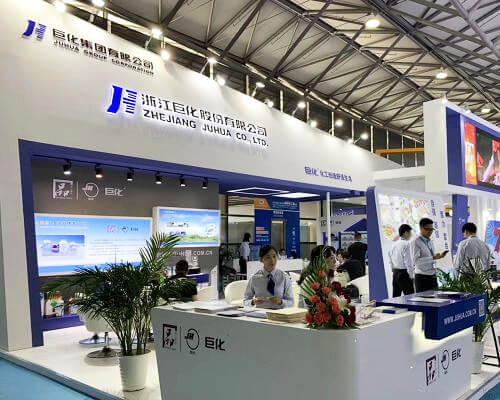
Every factory sees the same headlines about Juhua Chemical posting steady growth numbers and expanding new production lines. As a company grinding out ton-after-ton of product daily, we pay attention to more than just the sales pitch. Juhua stands out for its consistent push into fluorochemicals and similar specialties. These materials keep landing in high-demand sectors—refrigerants, electronics, pharmaceuticals. The whole world keeps talking about net-zero goals and new environmental standards, and Juhua has put significant resources into modernizing their core units. Most manufacturers remember when plants in China focused on lower-value bulk products. Now, firms like Juhua are betting on R&D and process upgrades. The market rewards upstream investments, especially with technical barriers rising in specialty chemicals. As regulations tighten in Europe and the US, Juhua’s strategies show how adapting production lines and treatment facilities isn’t just about compliance—it's about keeping a long-term seat at the table.Juhua Chemical’s presence has forced a recalibration among buyers and competitors alike. Years ago, purchasing decisions hung mostly on per-ton price. Since Juhua put effort into improving reliability—fewer quality complaints, more on-spec delivery, honest schedules—expectations across the market shifted. For manufacturers, there is daily pressure to keep plants running with no interruptions and no excuses. Even a single bad drum has ripple effects. Juhua’s performance on this front raises the bar, forcing others, including us, to put additional attention on continuous improvement, waste reduction, and service guarantees. Downstream customers, from foam makers to electric car battery designers, now expect rapid support and process troubleshooting in real-time. This direct technical service, not a brochure, makes the biggest difference in plant floors staying productive versus running into costly shutdowns. China’s chemical sector sits under increasing pressure to control emissions, especially around fluorine compounds and byproducts. Turning to Juhua again, we see a real case study for tackling local and international scrutiny. Many know about the government crackdowns, periodic inspections, and environmental scorecards. Juhua’s moves—building closed-loop process systems, adding advanced scrubbers, and implementing secondary containment—aren't only about optics. They reduce regulatory risk and keep the door open for global business. Our own facility followed a similar path, partly spurred by seeing penalties handed out across the province. Equipment upgrades, leak detection, and real-time monitoring aren’t cheap, but there’s no debating how much easier export licensing and permit renewals have become. Juhua’s example shows that anticipating the next compliance hurdle helps a factory stay ahead, rather than scramble during another inspection.Workers in chemical plants carry decades of hard-earned experience, but new technology demands fresh learning. Juhua has invested in digital control systems and automated product lines, which improve tracking, energy efficiency, and safety. This influences hiring and training, not just equipment spending. Plants now chase engineers who can troubleshoot on the floor and remotely via digital dashboards. Operators need to learn coding basics and process analytics, as the era of paper logbooks fades out. We see the same requirements building up in our workforce. The skill sets are changing, and supporting staff development retains talent and reduces costly downtime or mistakes. Seeing Juhua publicly commit to workforce training helps convince our own management that investment in specialists and trainers yields results in predictable output and reduced risk.Juhua’s push into higher-value exports has drawn criticism and envy. Some local factories worry about oversupply and squeezed margins, especially in upstream intermediates. Real competition means pushing harder in process optimization, waste recovery, and shorter customer lead-times. Markets outside of China react to significant volume increases by adding more technical requirements and pushing for stricter documentation. Our export teams face the same hurdles—product traceability, full ingredient data, regulatory filings. Juhua’s investments set an example for how to align with these new norms. Over time, this level of transparency and control strengthens a manufacturer’s reputation with global partners. An established history of documentation and traceability helped Juhua recover from trade disputes and maintain channels with strict regulatory zones.We have watched Juhua expand responsibly, often reinvesting in core sites instead of chasing rapid overseas expansion. Many companies in our industry rush after hot markets and short-term booms, then face costly pullbacks as cycles turn. Juhua’s more conservative growth model signals a focus on long-term stability, not just quarterly targets. There’s value in sticking close to home, building local supply teams, and pacing growth. Their approach gave neighboring suppliers confidence and let service providers grow alongside their main operations. It is tempting to chase headlines or low-cost offshore plays, but building out strong local operations pays back over time. We see lessons here for our own planning: prioritizing reliability and depth over short-term volume spikes.The sector remains fiercely competitive, with every upgrade by a major like Juhua rippling through factories big and small. We see frequent debates about who should focus on which products and when to shift toward specialties. Chasing high-margin segments looks attractive, but the recipe for real staying power always includes reliability, technical service, and proactive compliance. Even with automation and digitalization, true progress happens on the production floor, with skilled workers and robust processes. Juhua’s path shows how manufacturers can rise up product chains not just by investing in shiny equipment, but by building a foundation of trust with customers, authorities, and employees. As a manufacturer, keeping both eyes on day-to-day operations while updating long-term strategy keeps a factory healthy—no matter who grabs the next round of headlines.
Continue










Feel free to call us
+8615371019725 sales7@bouling-chem.com