News

Latest news and updates from our company

Zhejiang Juhua Co., Ltd.
2026-04-16

Zhejiang Juhua Co., Ltd.

 Manufacturing chemicals requires a blend of precision, scale, and long-standing investment. Zhejiang Juhua Co., Ltd. stands among those who have chosen the challenging road of building deep capability in a field where small missteps can turn into big setbacks. Over the decades, the company has become known for specialty chemicals, especially fluorochemicals. This niche brings its own standards for environmental control, safety, and innovation. In my own plant, demand for reliable refrigerants or fluoropolymers rises and falls with the market’s waves, but no shortcuts exist for quality or consistency. Unlike traders, manufacturers see the full landscape. Running reactors, managing byproducts, and designing systems for energy recovery and waste minimization all ask for long-term thinking. Juhua’s investment in vertical integration opens options that resellers simply cannot touch. This decision means the company delivers its own feedstocks, controls most process variables, and learns from process deviations in real time. Anyone who has wrestled with unpredictable upstream suppliers, especially in this segment, understands how much smoother production flows when the supply chain runs under one roof. That takes capital and technical courage; it also attracts contracts from customers who know the risks of off-spec material or missed deliveries. For those of us invested in continuous operation, reliable peer manufacturers take pressure off the industry as a whole—more stability, fewer panic-driven price spikes, less uncertainty in long-term planning.  Making fluorinated chemicals stands at the intersection of chemistry and careful environmental management. The world sits on edge over emissions like HFCs or PFCs. I have walked floors where trace leaks or minor spills stirred concern—not only for compliance but for worker safety and brand trust. Zhejiang Juhua has done work to reduce emissions from their high-volume production sites, investing in closed-loop processes, reclamation units, and pilot projects for greener alternatives. These decisions go beyond check-the-box compliance; they answer a real risk, because a single accident—or even a chronic minor violation—can shut down a plant or turn away major buyers. Facing stricter European and North American import standards, Juhua’s push for cleaner production wins credibility. That also pushes the rest of us to adapt or get left behind. From raw material handling to wastewater purification, the technical details matter. My own plant has spent years adjusting catalysts or modifying filtration steps just to squeeze out an extra percentage point in waste reduction. Zhejiang Juhua’s reputation shows that technical detail gets rewarded in the market, which in turn keeps the technology moving forward. Suppliers who cut corners often find their material rejected, and that’s one headache buyers never forget. This approach, building an in-house toolbox for both process chemistry and compliance, changes the conversation from reactive to proactive.  Sustained R&D cannot be separated from daily operations in specialty chemicals. Many forget that innovation is not only about inventing new products but also reengineering old ones for today’s needs. Juhua invests heavily in research, often partnering with technical institutes and universities. The result spills into the rest of the sector: improved catalysts, better reaction selectivity, smarter approaches to byproduct management. At our facility, collaboration and hiring from the same academic pipelines helps raise the bar for what gets accepted as normal operating procedure. Learning from those at the leading edge, especially in complicated fields like fluorinated intermediates, helps every manufacturer tighten controls and reduce “learning by accident.” Staff development also stands out. Juhua takes on apprentices, funds certifications, and rotates engineers across departments, ensuring practical versatility. We have seen similar benefits by doing the same, since a workforce that jumps between process improvement, maintenance, and quality control brings solutions that textbooks alone cannot provide. This approach guarantees that when equipment falters or raw materials deviate, reaction is faster and troubleshooting less disruptive. Retaining skilled teams keeps the machines running and the customer complaints down. That advantage cannot be bought off a shelf—years of investment show their value during unplanned outages or project launches.  Chinese chemical producers used to face doubts about reliability and regulatory seriousness, especially from overseas buyers. Juhua’s track record shows how perception changes when product consistency meets regulatory alignment. The company’s exports now flow to both advanced and developing economies, often supporting industries that cannot afford unplanned downtime. Many of the resins or gases I work with trace back to origins like Juhua’s plants in Quzhou. As tariffs, logistics challenges, or sudden supply interruptions ripple through the market, having established volume suppliers keeps contracts—and the wheels of downstream industries—moving. This influence rises beyond just price or speed. Their presence raises expectations for documentation, material traceability, and logistics accuracy. Large customers now require data on batch composition, carbon footprint, and supply disruption risk—a trend sparked by leading manufacturers who push digitalization and system integration deep into their operations. My own staff spends more time coordinating order tracking and warehouse optimization because peer companies have forced those expectations higher, benefiting both end users and the environment. That helps everyone hedge against crisis.  No company escapes the industry’s harder lessons. Energy consumption, waste management, and international politics continue to shape how plants operate. Global demand for fluorochemicals looks set for realignment as the world phases out ozone-depleting substances and tightens CO2 limits. Responding takes both agility and a willingness to rebuild. Zhejiang Juhua now faces pressure to commercialize new generations of refrigerants and to prove lifecycle sustainability—not just for the chemical, but for its entire process chain from mine to finished product. That complexity extends all the way down to us on the shop floor, where each maintenance round or fresh batch order can shift emissions or cost margins. There remains room for honest debate about overcapacity, price wars, and patent disputes. Every seasoned manufacturer knows the pain when new entrants sell below cost in hopes of grabbing share. Stabilizing strategies and long-term partnerships help fix some of the jagged cycles, though the market never stays still for long. As regulatory controls only get tighter, factory upgrades, digital transformation, and cross-border collaboration with both users and even competitors may offer relief. Investment in on-site solar or cogeneration is proving its worth under today’s energy prices. Those who lean into these realities, as Juhua has, will steer the pace and direction of the entire market’s next phase. CONTACT INFORMATIONWebsite:https://www.zhejiang-juhua.com/Phone:+8615651039172Email:sales9@bouling-chem.com

Read More
Zhejiang juhua group corporation
2026-04-16

Zhejiang juhua group corporation

Some names stand out in the world of fluorochemicals and advanced materials, and Zhejiang Juhua Group Corporation draws attention for good reason. Decades in this field go beyond any fleeting market trend. In the trenches of chemical production, daily work means managing innovation, compliance, and the drive for efficiency – not just ticking boxes, but weaving them into the manufacturing process from begin to end. That’s a responsibility the people at Juhua experience every day. When a name becomes a fixture in headlines, the real story unfolds inside production floors, laboratories, and supply chain conversations. Ups and downs come and go, but a manufacturer walks long roads few outsiders see.Juhua’s focus has landed on specialty chemicals with high technical barriers. Fluoropolymers, refrigerants, and related advanced materials fill out the backbone in electronics, automotive, construction, and even defense. There’s often little room to maneuver or cut corners. Fluorine chemistry demands experience with energy use, emission control, and strict safety protocols. Navigating compliance—especially environmental—is no small feat when dealing with greenhouse-gas regulations, refrigerant phase-down schemes under the Kigali Amendment, and national safety standards. Supply chain disruptions become front-page stories. But each day, some of us juggle logistics, raw material volatility, trade restrictions, and the challenge of training new technicians who grasp more than books can offer. It takes a gritty blend of experience, investment, and forward-thinking, not luck or short-term speculation.Customers in electronics or automotive demand assurance in stability and continuity. High-purity gases used for chipmaking can’t just be “good enough.” Down the line, a single batch deviation risks product recalls and millions in losses—not only for the producer but for downstream brands. That pressure pushes chemical manufacturers toward continuous upgrading of plants, real-time monitoring, investment in digital twins, and loss-prevention systems. Manufacturing at this scale isn’t about prestige. It’s a daily test—running reactors, purifying fluorochemicals, and scrubbing waste gases. Risks multiply with scale, both in operational safety and the ability to live up to sustainability commitments. Juhua’s large footprint means scrutiny comes not just from domestic regulators, but from multinational partners who demand lifecycle transparency for every shipment.Environmental responsibility has become a matter of survival in chemical production. Operations like ours have seen earlier decades where little thought was given to legacy waste or resource use. With time—and under market and public pressure—Juhua and others developed flue-gas treatment systems, solvent-recycling setups, and onsite closed-loop recycling for water and perfluorinated byproducts. Not every solution is elegant, and often it brings costs higher than the initial raw materials themselves, but experience shows that sustainable practice preserves a plant’s future. Sometimes, investments mean turning down high-margins for slow, sustained gain. Listening to feedback from communities and authorities after a single incident often leads to tough changes even if it means rewriting standard procedures or extending facility shutdowns for a thorough retrofit. Accountability has no shortcut.Innovation in fluorine chemistry runs up against strict patent landscapes, but it doesn’t stop there. Internal competition pushes R&D departments to experiment with new catalysts, improve yield and lower energy input, and tailor products for novel uses in lithium batteries, green refrigerants, or medical devices. Once a new process proves viable, scaling to industrial lines takes more than funding. Tight control over every step saves time and hard-earned trust. Many in this field understand that a process improvement today staves off major headaches five years down the road. From procurement to after-sales tech support, a chemical manufacturer cannot afford blind spots. For each new development, feedback from end users and regulatory bodies shapes improvements more than any white paper or cost-benefit model.Price competition from abroad puts pressure on domestic giants. China’s chemical industry faces both export bans and accusations of “dumping.” Here, manufacturers find that reputation, persistent quality, and transparent compliance are often the best defenses. Many long-time customers value supply stability, technical support, and traceability, not just the lowest invoice. Experience has taught industry leaders that building partnerships—sharing new developments with downstream users and planning investment in production lines together—secures their role in changing global markets. That sort of collaboration means sharing the risk, not just the reward. Knowledge, safety, and reliability build an ecosystem strong enough to weather raw material and geopolitical storms alike.A glance at the annual reports of a company like Juhua uncovers continual expansion—not just in output, but in waste-treatment, energy management, and worker training. Government inspections grow more rigorous, but process improvement delivers concrete returns in worker safety and environmental performance. Long before a product leaves the factory, technicians, chemists, and operators communicate closely, flagging any hint of trouble. Real improvement starts with the production line, not the boardroom. Years in the plant teach humility; one error echoed across a large batch costs more than any single day’s profit. There’s no trade secret for that—just the reality of experience and teamwork where everyone understands why precision matters.The chemical industry’s complexities reach far beyond sales figures or press releases. In our work, turning theory into application means merging emerging technology with the judgement earned through daily operations. Global demand for safer, greener, longer-lasting chemical intermediates grows higher each year. Meeting that demand sits on the shoulders of companies like Juhua and their peers—groups willing to shoulder costs to bring production in line with tomorrow’s rules. Technology, investment, management skill, and hands-on expertise belong together. In the next decade, the line between compliance and innovation blurs. Manufacturers who learn that lesson become the ones still standing through regulatory changes, market swings, and unexpected global shocks.

Read More
juhua chemical
2026-04-16

juhua chemical

Every factory sees the same headlines about Juhua Chemical posting steady growth numbers and expanding new production lines. As a company grinding out ton-after-ton of product daily, we pay attention to more than just the sales pitch. Juhua stands out for its consistent push into fluorochemicals and similar specialties. These materials keep landing in high-demand sectors—refrigerants, electronics, pharmaceuticals. The whole world keeps talking about net-zero goals and new environmental standards, and Juhua has put significant resources into modernizing their core units. Most manufacturers remember when plants in China focused on lower-value bulk products. Now, firms like Juhua are betting on R&D and process upgrades. The market rewards upstream investments, especially with technical barriers rising in specialty chemicals. As regulations tighten in Europe and the US, Juhua’s strategies show how adapting production lines and treatment facilities isn’t just about compliance—it's about keeping a long-term seat at the table.Juhua Chemical’s presence has forced a recalibration among buyers and competitors alike. Years ago, purchasing decisions hung mostly on per-ton price. Since Juhua put effort into improving reliability—fewer quality complaints, more on-spec delivery, honest schedules—expectations across the market shifted. For manufacturers, there is daily pressure to keep plants running with no interruptions and no excuses. Even a single bad drum has ripple effects. Juhua’s performance on this front raises the bar, forcing others, including us, to put additional attention on continuous improvement, waste reduction, and service guarantees. Downstream customers, from foam makers to electric car battery designers, now expect rapid support and process troubleshooting in real-time. This direct technical service, not a brochure, makes the biggest difference in plant floors staying productive versus running into costly shutdowns. China’s chemical sector sits under increasing pressure to control emissions, especially around fluorine compounds and byproducts. Turning to Juhua again, we see a real case study for tackling local and international scrutiny. Many know about the government crackdowns, periodic inspections, and environmental scorecards. Juhua’s moves—building closed-loop process systems, adding advanced scrubbers, and implementing secondary containment—aren't only about optics. They reduce regulatory risk and keep the door open for global business. Our own facility followed a similar path, partly spurred by seeing penalties handed out across the province. Equipment upgrades, leak detection, and real-time monitoring aren’t cheap, but there’s no debating how much easier export licensing and permit renewals have become. Juhua’s example shows that anticipating the next compliance hurdle helps a factory stay ahead, rather than scramble during another inspection.Workers in chemical plants carry decades of hard-earned experience, but new technology demands fresh learning. Juhua has invested in digital control systems and automated product lines, which improve tracking, energy efficiency, and safety. This influences hiring and training, not just equipment spending. Plants now chase engineers who can troubleshoot on the floor and remotely via digital dashboards. Operators need to learn coding basics and process analytics, as the era of paper logbooks fades out. We see the same requirements building up in our workforce. The skill sets are changing, and supporting staff development retains talent and reduces costly downtime or mistakes. Seeing Juhua publicly commit to workforce training helps convince our own management that investment in specialists and trainers yields results in predictable output and reduced risk.Juhua’s push into higher-value exports has drawn criticism and envy. Some local factories worry about oversupply and squeezed margins, especially in upstream intermediates. Real competition means pushing harder in process optimization, waste recovery, and shorter customer lead-times. Markets outside of China react to significant volume increases by adding more technical requirements and pushing for stricter documentation. Our export teams face the same hurdles—product traceability, full ingredient data, regulatory filings. Juhua’s investments set an example for how to align with these new norms. Over time, this level of transparency and control strengthens a manufacturer’s reputation with global partners. An established history of documentation and traceability helped Juhua recover from trade disputes and maintain channels with strict regulatory zones.We have watched Juhua expand responsibly, often reinvesting in core sites instead of chasing rapid overseas expansion. Many companies in our industry rush after hot markets and short-term booms, then face costly pullbacks as cycles turn. Juhua’s more conservative growth model signals a focus on long-term stability, not just quarterly targets. There’s value in sticking close to home, building local supply teams, and pacing growth. Their approach gave neighboring suppliers confidence and let service providers grow alongside their main operations. It is tempting to chase headlines or low-cost offshore plays, but building out strong local operations pays back over time. We see lessons here for our own planning: prioritizing reliability and depth over short-term volume spikes.The sector remains fiercely competitive, with every upgrade by a major like Juhua rippling through factories big and small. We see frequent debates about who should focus on which products and when to shift toward specialties. Chasing high-margin segments looks attractive, but the recipe for real staying power always includes reliability, technical service, and proactive compliance. Even with automation and digitalization, true progress happens on the production floor, with skilled workers and robust processes. Juhua’s path shows how manufacturers can rise up product chains not just by investing in shiny equipment, but by building a foundation of trust with customers, authorities, and employees. As a manufacturer, keeping both eyes on day-to-day operations while updating long-term strategy keeps a factory healthy—no matter who grabs the next round of headlines.

Read More
zhejiang juhua co Itd annual report
2026-04-16

zhejiang juhua co Itd annual report

Zhejiang Juhua’s latest annual report catches attention across the chemical sector, drawing a clear picture of where fluorochemicals and new materials are heading. Looking through their numbers and commentary, it’s easy to spot trends and signals that have real weight for those who actually run reactors, fill drums, and balance the books. Here in our own operations, we don’t just skim the headlines—we feel the shifts in raw material markets, environmental standards, and downstream demand that shape our everyday work.  The report discusses shifts in global demand and the expansion of production capacity. These forces aren’t just background noise; they touch off tough decisions inside the factory gates. When a peer like Juhua reports ramping up output for refrigerants or specialty fluoropolymers, the whole supply chain notices. Capacity increases aren’t just about building new walls and installing gear. The pressure lands on everyone from plant engineers and logistics teams to those negotiating with mining firms for fluorite or with buyers for contract pricing. Surging production combined with moderate demand can stir up price competition. On the shop floor, this translates into the constant work of optimizing processes, cutting waste, and finding every drop of extra efficiency. Our teams poured effort into switching valve types and adjusting batch sizes last year, squeezing more out of older lines to stay lean. Not just because shareholders expect it, but because we know the market rewards consistency and adaptability over sheer scale.  Juhua’s push towards high-value fluorinated materials isn’t lost on us. Growth in performance materials, lithium battery additives, or electronics-grade gases changes the game for all involved. Traditional fluorochemicals, often beset by price swings, still anchor many businesses. Yet the future seems brighter in segments where technical know-how and rigorous control over purity make the difference. At our own site, the move to supply battery manufacturers demanded upgrades in handling, testing, and packing. Tolerances grew tighter, safety checks multiplied, and paperwork thickened. This isn’t just about chasing higher margins. It’s head-to-head technical competition, where failures in quality control can erase years of customer trust in a single batch. The hope is that investments in process improvement and technical training outlast this quarter’s order book. Reading Juhua’s report, we see confirmation that heavier bets are going into these specialty downstream sectors. It makes sense—the margin pressure on commodity grades only gets sharper when players scale up, while those able to meet new specifications for electronics or green energy can build more stable partnerships.  Environmental policy comes up throughout the report, and for good reason. Whether the target is greenhouse gas reduction or the careful management of persistent organic pollutants, the scrutiny facing producers mounts each year. Plant managers don’t just sit through audits—they overhaul water recycling, track emissions in real time, and set aside extra budget for off-site treatment or technology upgrades. One day’s missed reporting can snowball into fines or lost permits. Juhua’s investments in cleaner production lines and new treatment units echo the reality that old approaches to waste and emissions fall short under modern regulation. Over the last twelve months, our group tackled similar problems, tying together disparate data feeds to prove each ton of waste was accounted for. These aren’t glamorous projects, but they keep doors open and neighbors and regulators on our side. Those who treat this as a box-ticking exercise risk missing the upside: smarter waste handling and better energy integration often make a plant more profitable and reliable. When we cut steam losses and reclaimed acids, that cut our bottom line costs in a way no status meeting ever could.  Research and development lay at the heart of every report’s ambitions, but making the leap from lab bench to full-scale production rarely goes smoothly. Juhua references new product launches and patents, but each success likely hides headaches familiar to our own chemists and operators. Scaling up a synthesis route means wrestling with impurity profiles that only appear at larger volumes, tuning filtration so it functions under real plant conditions, and retraining teams on the quirks of solvent recovery units. These are pathways lined with setbacks—reactor fouling, unexpected side reactions, hard-to-source reagents. Sometimes it takes weeks of troubleshooting and a handful of failed campaigns to settle on the right parameters. As manufacturers, we compare notes and scan case studies from competitors like Juhua not just to see what sells, but to spot which bottlenecks they managed to clear. Knowing what goes wrong in another plant makes us less likely to repeat expensive mistakes or overlook subtle warning signs in our own runs.  Looking at the financials, the line between solid revenue and volatile cash flow emerges. Quarterly swings often trace back to the realities of chemical manufacturing: inventory build before shutdowns, bulk sales to fill tanks before new tariffs, and order delays driven by shipping snags or seasonality in downstream sectors. Working capital isn’t just an accounting line; it determines how freely we can source top-grade feedstocks or invest in debottlenecking a line when opportunity strikes. When Juhua posts significant outlays in plant upgrades, those choices often result in leaner operations and the ability to ride out slow stretches without panic selling or corner-cutting. We’ve learned, sometimes the hard way, that running a plant on thin margins and skipped maintenance is a false economy. Every dollar spent on predictive repairs and operator training returns peace of mind when a sudden surge in demand arrives.  A recurring theme across the annual report revolves around global integration. Sales contracts with foreign battery makers or electronics firms pile on complexity, but also open up fresh markets. Local compliance, logistics coordination, fluctuating currency rates, and tighter lead times all translate into fresh managerial headaches. In the past, we navigated similar waters, fielding late-night calls over unexpected documentation requirements or reformatting safety data sheets on the fly to keep containers from sitting idle at the port. This isn’t friction that disappears as a company grows. Instead, those who survive develop processes and communication channels built for quick pivots and rapid learning. It’s a grinding, detail-heavy business, but each export milestone reflects time spent building trust and mastering the nitty-gritty of every buyer’s expectation.  Talent recruitment and retention also jump out as a strategic concern. Against the backdrop of technical upgrades and green mandates, it takes more than hiring cycles or increased training to keep the right hands on deck. Manufacturing demands discipline—the kind forged by daily routines, careful troubleshooting, and an appetite for improvement. People who adapt quickly, who stick with a batch until the last problem is solved, can’t be found on generic job boards. Our own retention efforts switched tack several years back, focusing on mentorship and cross-training rather than recruitment alone. The hope is that a plant’s culture of pride and accountability spreads, holding teams together through thick and thin. Any gains shared across shifts tend to pay off in smoother rollouts of new products and fewer headaches during unplanned shutdowns.  One clear lesson from Zhejiang Juhua’s report rings true for us: chemical manufacturing doesn’t reward complacency. The sector favors those who invest in reliable processes, treat compliance as a foundation, and adapt to both market and technical trends without losing sight of the basics. Annual reports like this don’t just sketch out stock performance or strategic slogans—they echo the day-to-day realities inside every plant running at full tilt, each crew bracing for the next audit or ramping up a new grade for delivery. The story woven through Juhua’s numbers reflects the stakes on the ground for every manufacturer living with these choices and striving for steady progress under pressure. CONTACT INFORMATIONWebsite:https://www.zhejiang-juhua.com/Phone:+8615651039172Email:sales9@bouling-chem.com

Read More
Zhejiang Quhua Fluor-Chemistry Co., Ltd.
2026-04-16

Zhejiang Quhua Fluor-Chemistry Co., Ltd.

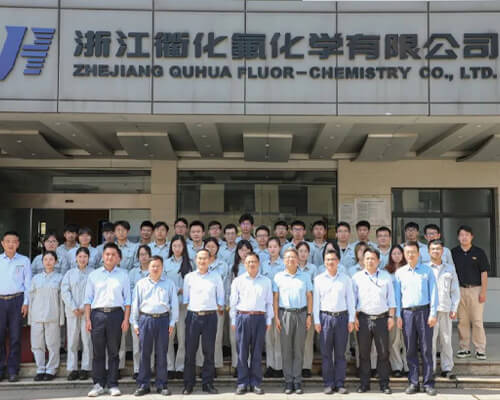
As manufacturers, we see the inside of the process in ways headlines don’t capture. At Zhejiang Quhua Fluor-Chemistry Co., Ltd., the factory floor smells like precision. Pipes run along the rafters, valves hum, and every step matters. It takes just one visit to realize these molecules don’t arrange themselves. Fluorochemicals push a facility’s discipline, culture, and skill. Teams face balance sheets and government inspectors, local air monitors and global market fluctuations. Every choice affects not just us, but downstream users and the environment that neighbors our property lines.Fluorine chemistry built a path for many industries—refrigerants, pharmaceuticals, advanced materials. Demand pulls at both capacity and conscience. We’ve run reactions through nights when upgrades to reactors could not wait for sunlight. We have made decisions that reject easy productivity gains when quality or safety could slip. There’s always pressure to push further, yet the data—yields, energy input, emissions—never lies. Responsible growth involves more than expanding tons. Real progress builds on upgrades in the abatement towers, investment in closed-loop water systems, and open sharing of performance statistics with regulators and customers.Manufacturing hydrofluorocarbons or specialty fluorides, you realize how fast global standards change. At our end, regulators sweep through, examing permits and sample logs. Shutting off vent lines or investing in new scrubbers costs more at the start, but it buys peace of mind (and keeps us open). Once, the local river reflected carelessness. Cameras filmed at the shoreline, and the local news ran stories. We had to meet with local officials face to face. Investing in zero-discharge tech and transparent water quality reporting did not happen to “comply” but to rebuild trust. Now, our operators test discharge themselves and call out irregularities before inspectors even arrive.International rules bring another layer of complexity. The Montreal Protocol, then the Kigali Amendment, redrew boundaries on refrigerant production. We have to keep up. Product lines shifted, demand for legacy HCFCs collapsed, and capacity planning turned on its head. The engineers in development labs spent years switching over reactors, running pilot batches, and tuning catalysts for lower-global-warming solutions. Sometimes, formulas looked good on paper, then ran into unworkable problems at scale. We learned to fall in love with continuous improvement and open the doors to technical partnerships with multinationals and local researchers. There’s always more to clean up, automate, or optimize. No plant ever coasts for long.Our most important investment remains the people putting on helmets and clocks every morning. The statistics on exposure, training hours, and near-miss incidents don’t tell the full story. Overtime during raw material shortages, unexpected shutdowns to keep a single valve in check, and adapting protocols as standards evolve—these weigh on staff. Many of us grew up nearby, know workers for decades, see their families in the park. It hurts when operations carry risk. We doubled down on equipment maintenance long before digital dashboards became common. We know firsthand what happens if a PPE budget gets carved up or training days get trimmed.Outreach started awkwardly, but local teachers and city groups helped us learn. Kids come for field trips. One year, students spent a summer building sensors to track air quality along the property line. Some data stung at first—numbers didn’t meet our expectations, and headlines followed. We handed over our improvement plans, ran community updates, and invited local clinics to monitor health trends. In time, complaints faded. Now public feedback arrives before issues reach the press. The cost of openness? High, but small compared to shutting a door on the neighbors who watch us work.The future of chemical production belongs to plants that blend traditional discipline with digital insight. We fought skepticism over remote monitoring and AI-driven safety alerts—old hands trusted experience more than tablets. A few years ago, we faced a near-miss when a pressure spike escaped manual logs but got flagged by the new sensor grid. Automation has saved more than one shift from disaster, but humans remain the last defense. Process engineers still walk the lines. We encourage direct input, not just from management, but from every operator standing on the floor. Hackathons, feedback channels, even anonymous hotlines have all helped us surface the lessons textbooks miss.Downstream, sustainable design requires customers, suppliers, and waste handlers to stop thinking in isolation. If a customer pushes for lower footprint polymers, supply-side partners have to share batch data. We set up joint audits, sometimes sharing problems before we have answers. Occasionally, we find ourselves over-communicating, but that’s better than a mistake carried downstream to users and future regulations. Some in the industry hesitate to expose inefficiencies fearing reputational damage, but we’ve seen sharing real numbers drive bigger advances. Competition shapes the market, but collaboration lifts baseline performance for everyone.We do not get a free pass from regulators, NGOs, or our own team. Trust is earned with every shipment, every environmental report, and every interaction with locals. The rise of real-time disclosure—whether on-site monitoring dashboards or annual sustainability reports—puts every operator under the microscope. We have lived through periods of quiet suspicions and loud public debates. Hard data, shared early and explained plainly, has gotten us through tense moments. Mistakes made here are costly, and cover-ups never last. The only way forward: confront the tough numbers, fix what can be fixed, and show our progress each step.Those who have watched the chemical sector transform over decades know it benefits no one to swag results or spin narratives. The cost of an incident or public mistrust far outweighs gains from cutting procedural corners. Real transformation hinges on leadership standing on the ground they are responsible for, facing both the risks and opportunities inherent in handling powerful chemistry. The next generation enters this field expecting transparency and evidence, not slogans or boilerplate. We either meet these standards as manufacturers, or we find ourselves left behind.

Read More
Zhejiang Lanxi Juhua Fluorochemical Co., Ltd.
2026-04-16

Zhejiang Lanxi Juhua Fluorochemical Co., Ltd.

Few sectors demand as much technical discipline and integrity as fluorochemical manufacturing. Watching the development and trajectory of Zhejiang Lanxi Juhua Fluorochemical Co., Ltd. leads us to reflect on the ongoing transformation happening across our industry. This company has operated in a region rich in chemical industry history, specializing in products that have become building blocks for countless downstream goods. In our own facilities, years of handling fluorinated compounds have shown how advances in purification, emissions control, and continuous processing change not only how we work, but how entire industries operate downstream. The modernization experienced by companies like Zhejiang Lanxi Juhua centers on chemical quality, environmental controls, and risk management. Instead of simply focusing on selling raw materials, such firms push into more specialized grades, responding to the needs of industries from refrigeration to electronics. End-users today want performance, reliability, and clear stewardship; this company’s development mirrors those shifting priorities.Rising enforcement from local and national authorities shapes daily life inside a chemical plant. From our production lines, the reality is that traceability, batch documentation, and regular safety audits have become as routine as analytic testing of the end product. Zhejiang Lanxi Juhua’s capacity to comply with global environmental frameworks such as the Montreal Protocol and the EU’s REACH regulation tells a larger story. The shift away from high-global-warming-potential fluorochemicals put pressure on R&D and raw material sourcing. Setting up a compliant environment means investing in advanced waste destruction, solvent recovery, and detailed monitoring. Plants that cut corners on these details face real consequences, including legal penalties and public distrust. For many in our field, observing Zhejiang Lanxi Juhua’s progress serves as a benchmark: transparent supply chains, persistent improvement in emissions controls, and third-party verified quality systems are no longer luxuries but necessities. The demands on every kilogram shipped extend long after the gate; companies that run tightly managed labs, robust incident response protocols, and open audit trails are setting the bar.Years spent developing new fluorinated intermediates have shown that innovation only matters if it resolves a real-world problem. Zhejiang Lanxi Juhua’s advances in new refrigerant blends, specialty monomers, and polymer additives illustrate how directed research finds new markets and stays ahead of tightening regulation. End markets, including medical textiles, specialty coatings, and high-performance foams, don’t just buy on price; questions now run deeper, reaching raw material origin, batch specifications, and even carbon footprint. One company can rarely cover all these touchpoints without significant expertise and capital investment. The pressure is relentless, coming not just from regulators but from international OEMs who demand transparency and proof of low-impact manufacturing. Filling these demands means upgrading analytical equipment, automating blend control, and investing heavily in both operator training and technical partnerships. We’ve seen firsthand how a new blend or novel intermediate can open up entire new business opportunities, but only if the technical support, documentation, and reliability match.No amount of advanced technology replaces skilled, dedicated operators inside the plant. The complexity and risk profile of hydrofluoric acid, fluorinated gases, and specialty intermediates require tight process control and strict adherence to established safety protocols. Over the years, plants with a strong safety culture and transparent internal communication have the lowest incident rates. Building that culture, which includes everything from on-the-job technical training to real-time reporting of potential hazards, isn’t optional. Zhejiang Lanxi Juhua’s reputation reflects efforts in this arena, with an emphasis on worker safety, structured upgrades to emergency systems, and engagement with local fire and environmental departments. In our own operations, we’ve learned that close alignment of management and floor personnel prevents near-misses from turning into accidents. Today, few companies can afford to neglect workforce development and community dialogue; local residents expect regular updates on emissions and preparedness, and regulators inspect these relationships as closely as technical records.Years of producing fluorochemicals have taught that resource stewardship and pollution control require pointed decisions. Early efforts at waste minimization and hazardous waste tracking have now grown into energy recovery, deep off-gas capture, and renewed efforts to close material loops wherever feasible. Zhejiang Lanxi Juhua’s progress in integrating environmental remediation and process innovation speaks to a new normal. Scrutiny by NGOs, pressure from buyers, and international export requirements force chemical producers to move beyond mere compliance toward measurable impact reduction. It’s not enough to publish a sustainability report; the numbers have to withstand outside examination. Achieving reductions in energy use per ton, delivering published life cycle analyses, and opting for green power, where available, reflect direct, pragmatic actions. Customer specifications now routinely include requirements for environmental data and clear evidence of ongoing improvement. Within the plant, this translates to fewer vented compounds, tighter water management, and routine re-investment into both process optimization and plant design.Those of us in chemical manufacturing watch supply routes and geopolitics with growing attention. Sourcing fluorspar and dedicated precursors continues to face disruption, with trade tensions and export restrictions creating volatility up and down the value chain. Zhejiang Lanxi Juhua’s ability to secure raw material supply and build robust logistics is a topic of real importance across China and internationally. From our experience, the best defense against supply chain shock lies in diversification and building long-term partnerships with suppliers. Identification of parallel routes, storage capacity upgrades, and digital management of inventory ensure production targets aren’t missed. Certification of multiple supply nodes, regular quality vetting, and agreement on documentation standards for every shipment become standard practice. We’ve seen that companies that forecast risk and maintain honest, real-time feedback loops with buyers and suppliers can buffer against the worst impacts of global market swings.One trend rewriting how plants operate today is digital transformation. PLC-based systems, real-time data acquisition, and advanced statistical process controls are shifting operations from a world of “good enough” to predictive management of yield, purity, and risk. Zhejiang Lanxi Juhua’s recent investments in automation and digital tools follow a pattern seen across top manufacturers worldwide. In our own experience, digitalization cuts down on error, improves batch reproducibility, and allows for detailed tracking of every deviation—essentials for both customer confidence and regulatory compliance. True progress comes from merging the experience of dedicated chemical engineers and operators with digital systems that capture, flag, and learn from every variable in the process. The competitive landscape in China’s fluorochemical sector is intense and only those willing to invest in both human and digital capability maintain leadership.Many who work in fluorochemicals know the sector’s challenges run deep: technical, regulatory, environmental, and social. Zhejiang Lanxi Juhua’s journey encapsulates the need to be both an innovator and a responsible member of the global chemical community. Observing companies make real investments in safety, environmental controls, transparency, and technical support brings the industry as a whole forward. Trust is earned batch by batch; every improvement in emissions, product quality, and customer openness is a new foundation for progress. The world depends more than ever on reliable, advanced fluorochemicals—making our shared responsibility both a challenge and a privilege.

Read More
Ningbo Juhua Chemical Technology Co., Ltd.
2026-04-16

Ningbo Juhua Chemical Technology Co., Ltd.

Factories never sleep in this business. Raw materials come in early morning and workers check reactors before the shift change. At our own plant, we track every shipment and every tank level. The machines never lie. Reliable output means everything, and we see right away if something isn’t right. That’s the first difference between a true manufacturer and those who talk about supply chains from an office. On the shop floor, mistakes cost real money, and even small process fluctuations mean lost time and higher risk.Looking at Ningbo Juhua Chemical Technology Co., Ltd., every manufacturer can find shared ground. Ningbo’s history ties directly to the region’s industrial development. Building up their infrastructure year by year creates opportunities, and gives them a direct influence on regional, even national, supply. That doesn’t come from a single chemical batch or big sales pitch—it takes consistent work. For companies at our scale, studies on industrial accidents, process failures, and regulatory changes are daily reading. We know the pressure of real production lines, so we recognize the discipline required to maintain large operations like Ningbo. The main challenge isn’t laboratory science, but scaling up the details—temperature, flow rate, raw material consistency—so your kilograms become tons without hidden problems along the way. Earning trust takes time, especially in chemical manufacturing. Neighbors keep an eye on emissions. Regulators watch effluents, noise, and dust. Our own crews make sure routine maintenance runs exactly to plan. Many talk about sustainability, but in a real operation, every gram of material and every watt of power matters. Small improvements add up to lower costs and fewer complaints. We’ve learned that nothing travels faster than bad news—if a line operator hears a leak, there is no time to debate, response begins in seconds. Ningbo Juhua draws attention because their safety record and investments in environmental controls set a local benchmark. Whether it’s by deploying online monitoring, investing in scrubbers, or paying attention to worker health, the factory gains a reputation from the inside out, not a marketing brochure.Ningbo’s size helps them attract capable technicians. Every skilled operator you bring inside keeps learning, fixing, sometimes inventing a better procedure. The real challenge comes from the pace of regulation and pressure from buyers. In our operation, changes to air quality or water discharge rules arrive without warning, and there’s little room for shortcuts if we want to survive the inspections. Like us, Ningbo Juhua has to coordinate with environmental teams and local officials, else risk fines or shutdown. We’ve seen how fast word spreads if wastewater colors or odors are off spec—even small incidents demand honest reporting. Inside the plant, daily meetings and continuous monitoring create a routine that strengthens safety long before the public hears anything. Most chemical plants start small and grow with demand. Scaling up isn’t just about building bigger tanks—every new process brings its own learning curve and potential headaches. Ningbo Juhua’s growth connects directly to reliable supply of feedstock and proximity to China’s east coast ports. Those advantages matter when buyers insist on tight delivery cycles. For us, process stability and transport reliability form the backbone of jobs and local investment. Raw material supply chains have become more fragile in the last few years, driving manufacturers like us to focus on long-term contracts and strategic reserves of key chemicals. Shipping delays or raw material shortages can ripple across product lines and disrupt commitments.The investment Ningbo Juhua makes in process technology also leads to broader innovations in the industry. Real process upgrades impact product consistency, but they do more—better catalysts, more efficient waste treatment, or safer reactor designs separate a leader from those who follow. We prioritize these changes because our customers ultimately judge us on performance in their own processes. Ningbo’s reputation for reliability and technical upgrades has roots in consistent reinvestment—sacrificing some margin to keep equipment current. We know that pain, because out-of-date machinery leads to higher maintenance, downtime, and greater risk of failure. The chemistry always matters, but investment in new methods—continuous process operation, digital controls, and automation—determines if you thrive or merely compete.Ningbo Juhua sits at a crossroads—serving global buyers but tied to regional constraints like policy, energy price shocks, and workforce challenges. Most plants feel these same forces. Our team watches labor availability and training programs constantly. Knowledge loss from retirement or turnover hurts quality, so we run our own training and seek apprentices to keep the craft alive. On the logistics side, supply shocks or international tariffs can destroy carefully built customer relationships. Ningbo’s scale shields them to some degree, but every operation—large or small—has felt price swings in raw materials and tightening of export controls. We’ve handled tenfold raw material price hikes and learned hard lessons on risk mitigation. The world’s not getting more stable, so chemical manufacturers must prepare for both long-term contracts and fast pivots.The other lesson comes from market evolution. Ningbo Juhua’s expansion into fluorine chemicals or specialty materials reflects changing industrial demand—electronics, refrigerants, and membranes. At our facility, product lines shift with customer needs and regulatory shifts. Setting up for specialty production adds complexity but gives greater agility. Major players, like Ningbo, show the value of diversified portfolios, leaning into new sectors rather than waiting for markets to move. For everyone in this business, adapting to customer demand—whether through new formulations, purity grades, or logistics solutions—keeps the doors open and staff employed. Every manufacturer feels the weight of environmental expectations, market uncertainty, and global competition. Ningbo Juhua Chemical Technology Co., Ltd. gets headlines and draws industry attention, but behind those stories are hundreds of small process improvements and years of staff diligence. We find commonality there—the hours spent tuning a reactor, the late nights during commissioning, the attention to regulatory approval—all these efforts underpin visible company successes.No chemical producer can claim perfection. The discipline, investment, and willingness to learn from mistakes make the difference. From our perspective, sharing best practice and focusing on transparency give operators a better chance at earning trust. Ningbo Juhua’s journey mirrors the daily grind we know so well. Our own business faces the same tightrope of quality, safety, and innovation. The best lesson from their experience and ours: steady improvements always matter more than slick promotion, and real credibility comes from what happens inside the plant, not just at the boardroom table.

Read More
Tianjin Bairui Polymer Materials Co., Ltd.
2026-04-16

Tianjin Bairui Polymer Materials Co., Ltd.

Daily operations in a chemical plant like ours mean rolling up sleeves and engaging directly with the reality of producing polymer materials from raw chemical feedstocks. Over the years, we have watched Tianjin Bairui Polymer Materials Co., Ltd. gain attention across the sector. Observing another manufacturer’s rise reminds me how competitive and complex it can get for those who actually run reactors, handle compounding, and tune properties batch after batch. There’s a great deal of talk in the market about capacity and innovation, but in our experience it takes stubborn commitment to consistency and strict quality tracking to maintain credibility. Many overlook the endless hours operators spend dialing in extrusion lines or how much testing is done for every shipment. I cannot overstate the importance of this kind of rigor. Our customers—film converters, formers, molders—rely on every ton we deliver acting the same as the previous. Losing focus on process reliability invites losses on everyone’s balance sheets, not just our own.People assume modern polymer producers have the same resources and technology, but on the ground, the differences become obvious. Running a polyolefin or engineering plastics line at steady-state takes equipment reliability, skilled operators, and competent lab staff who know how to read more than just a data sheet. Unlike distributors or resellers, a true manufacturer like us must address resin cleanliness, moisture control, and shot-to-shot property drift—including those issues that only reveal themselves during application. I have seen batches from new entrants in the market with visible gels or off-color streaks because they underestimated the technical hurdles. Whenever a customer gets a clogged nozzle or a failed tensile test, the scrutiny comes straight back to the plant floor. Brand names like Tianjin Bairui draw attention, but in this business, every polymer pellet’s integrity matters. Years ago, we overhauled our pre-polymerization drying systems after a production hiccup introduced haze into a customer’s clear film; nobody outside our team knew what caused it, but internal knowledge and accountability kept the customer relying on us rather than switching sources.Some recent stories about material traceability and regulatory scrutiny in the plastics supply chain resonate deeply. We manufacture within China for demanding clients in electronics, auto parts, and food packaging, fields where single trace contamination or ingredient substitution can cause big recalls. Full transparency and supporting documentation mark the line between reliable producers and those who cut corners. I often see headlines about export surges, price drops, or material shortages—but rarely do these cover the day-to-day work we do keeping our plant certifications current and logging every material lot with actual traceable numbers. Auditors don’t want stories; they want real documentation and access to processing history. When Tianjin Bairui or any major company touts new certifications or breakthroughs, I reflect on the years spent building our own management systems. The most challenging part centers not on paperwork, but on building a culture where operators know they answer to industries whose safety and performance run on our products. We make mistakes, but we own them, fix them, and document what went wrong. This is what global customers respect.Disruptions like last year’s raw material price swings, global shipping bottlenecks, and evolving national regulations require flexibility matched with genuine knowhow. The media often focuses on shutdowns or new entrants shaking up supply, but manufacturers like us see a bigger picture than just the latest margin squeeze. It can take several quarters of planning to qualify a new monomer source or to find local equipment upgrades that dovetail with existing automation. If you lose a key supplier or get hit by a power shortage, every decision—from which grade to prioritize to how soon to notify downstream users—happens in real time with big consequences. I have had days where a missing valve meant scrambling for parts and pulling our technical manager off vacation. Making that call is stressful, but protecting consistent supply comes before every desk job or conference appearance. Companies like Tianjin Bairui, active in the same regions, know this pain, and real progress comes from those who resolve these headaches quietly, not just those who publish big numbers. The technical teams in our region often trade quiet updates about new stabilizer packages or improved blending protocols rather than press releases; it’s these nuts-and-bolts improvements that keep the wheels moving year after year.Talk about “green chemistry” and reduced carbon footprints shows up in trade press and at regulatory hearings, but any manufacturer knows the realities behind these buzzwords. Swapping feedstocks or reformulating a resin can knock a production line offline for a week or more—costing thousands per day in lost output if unforeseen problems arise. We recently trialed a post-industrial recycled polyolefin and spent months working out moisture, melt index, and odor issues that weren’t visible until full-scale runs. Companies like Tianjin Bairui that operate in public view face the same struggle: regulatory pressure ramps up expectations, but plant infrastructure, solvent handling, and waste water systems aren’t upgraded overnight. I know many engineers who have wrestled for months with process water reuse, only to hit unexpected fouling or emissions spikes. Only by investing heavily—training staff, tweaking process controls, and budgeting for compliance—can manufacturers make claims that withstand scrutiny. Recent scrutiny over hazardous chemical handling affects those of us laying pipe and running reactors, not just the people publishing sustainability reports.There’s industry chatter about which company will invent the next high-impact polymer. I have learned from our engineers that most successful product launches don’t start with a lab breakthrough; instead, they begin with a direct call from a customer battling a problem—maybe a processing jam, a cosmetic defect, or recurring part failure. Our chemists tweak flow aids or blend compatibility agents not because a trade show requests them, but because the production staff upstream or downstream in the chain cannot meet their own targets otherwise. Unlike distributors who arrange paperwork and move bags, we face technical consequences when a new recipe fails. I have called in night-shift teams to run emergency trials so a key account would not have to halt its own extrusion line. Word travels among real manufacturers about companies—regardless of reputation—who deliver effective field support rather than just claim to. Sustaining excellence comes less from trade show medals and more from documenting results in live facilities.Challenges never arrive singly, whether it’s a power restriction during peak season, new tariffs, or client audits demanding granular compliance data. Effective manufacturers develop redundancies and train staff to handle upsets without waiting for outside consultants. Tianjin Bairui Polymer Materials Co., Ltd. operates in the same operational ecosystem we do: facing intense scrutiny, they must balance price, volume, and ever-tightening requirements from both local and global brands. In our experience, those who succeed invest in preventive maintenance, realistic staff training, and transparent supplier relationships. Coordinating everything—so material can move without quality drops or excessive downtime—becomes the measure by which plants gain loyalty from clients who run their own 24/7 operations. Mistakes break trust quickly, so processes are set up to identify trouble fast and solve it at the source. Technology, supply relationships, and people drive this industry, and in the end, only the manufacturer keeps all the pieces coordinated enough to deliver real results batch after batch.

Read More