
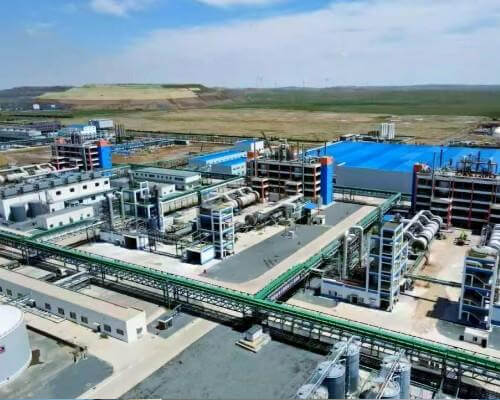
JUHUA CHEMICAL TECH Fluorinated refrigerants (such as R134a, R125, R32)
In the chemical business, experience grows with each batch produced and every challenge met on the plant floor. Handling fluorinated refrigerants, such as R134a, R125, and R32, means dealing with real implications for the people who make, use, and live near these products. These gases form the backbone of modern refrigeration and air conditioning. Over three decades ago, the move away from chlorofluorocarbons marked the start of a new era. Our factory lines had to adapt, and the practicalities of producing and packaging these next-generation fluorocarbons became a daily reality. Demands for higher purity, tighter controls, and safer logistics drove us to constantly refine our quality assurance. We saw firsthand how tiny cracks in process oversight could cause big trouble downstream, from contaminated cylinders to equipment failures in customer operations. R32, for example, challenged our engineers with its flammability—the margin for error shrank, and the need for automated leak detection and enhanced fire safety grew. These process improvements took years, not weeks, and came at real cost: rigorous training, new detectors, and constant upgrades.Real learning came with market shifts as environmental rules tightened. Our job at the plant did not stop at getting production to spec; it extended to responsible handling of emissions. Fugitive leaks can turn an efficient plant into an environmental risk. The Kyoto Protocol listed many hydrofluorocarbons (HFCs) as contributors to global warming. Plant managers had to double down on maintenance, scheduling frequent inspections and tracking any losses. Simple tools like infrared leak detectors became standard. Disposing of residues and off-spec batches took clear protocols—no cutting corners with venting or improper dumping. We invested in proper recovery units and carefully trained the staff to minimize losses at every step. The reality is everyone working with these refrigerants knows the penalty for shortcuts: regulatory fines, lost product, or worse, a safety incident. Factory work shapes a respect for both product and process—and for the outside world watching closely.The new regulatory landscape forced us to rethink both product development and production scheduling. The European F-Gas Regulation and similar international frameworks began capping total quantifiable emissions. These rules did not just come from the top; local governments inspected facilities and checked records of gas usage and leak repairs. For manufacturers, compliance turned from a formal checkbox into a running target. We started gathering more real-time data, using continuous monitoring, and pushing operators to catch leaks before inspectors did. When new alternatives such as hydrofluoroolefins arrived, the question was not just about switching over; production lines needed retooling, new certifications, and troubleshooting across the supply chain.Demand from customers also changed. Multinational buyers preferred sources with solid environmental records. End users in automotive and household segments began requesting documentation, and the pressure shifted backward to us. Big retailers refused to touch products linked to bad press or regulatory violations. In our own markets, misinformation sometimes spread faster than the facts. Chemical accidents in a rival’s plant halfway across the globe quickly led to tough questions from regional authorities the next month. We learned to trace every ton shipped, every cylinder refilled, and every bit of waste generated. Strong traceability became a shield against rumors but also a tool for honest improvement.In recent years, the question of how to balance high-quality output with responsible handling of fluorinated refrigerants has never been more crucial. Every economic upturn bumps up demand for air conditioners and refrigerators. Emerging economies drive steady expansion, but this surge creates stress from both sourcing and environmental stewardship. On the production floor, stable supply relies on skilled operators, reliable import of raw materials (such as fluorspar and HF acid), and robust safety culture. Supply shortfalls or surges in raw material prices can send ripple effects—factory downtime, missed deliveries, or pricing pressures that squeeze both margins and safety investments.Add in the global nature of climate pledges, and big refrigeration customers keep pushing for lower-GWP (global warming potential) blends or for widespread adoption of recovery and recycling programs. Recovery creates its own set of challenges: collection of spent refrigerants in distant towns, training of service shops, and managing buy-backs or trade-ins. We piloted take-back initiatives and found quick gains in some cities but resistance where logistics proved tough or misunderstandings persisted. Safe reuse means careful separation of gases, sturdy reclamation plants that can break down or purify contaminated batches, and a network of staff whose expertise keeps everything honest. Mistakes get expensive quickly—either through costly rework or regulatory trouble.Plants like ours work in parallel with broader policy efforts. Chemical manufacturing pushes innovation not through press releases, but through persistent attention to failures and incremental gains. Investments in abatement technology, like improved flare systems or refrigerant recycling lines, offer direct reductions in environmental risk—these do not make headlines but do protect our license to operate. Upgrading monitoring and automating the reporting process saves man-hours and builds confidence among both regulators and buyers. Real progress depends on closing the gap between good intentions at the board table and the realities experienced by line workers and supervisors.As the world eyes further reductions in fluorinated gas emissions, factories become test grounds for the policies of tomorrow. We see chemical engineers working late hours to fine-tune next-generation blends with improved thermal stability and lower environmental impact. Training programs grow more complex, pairing hands-on scenarios with evolving digital tools. Factory feedback shortens the learning curve for new product launches or adjustments demanded by law. Most importantly, the sense of accountability among shop floor teams and site leaders often quietly outpaces the shifting standards found in legislative manuals.Practical gains for users start at the source. Refrigerant purity brings longer lifecycle for compressors and less downtime for air conditioning or refrigeration service teams. Insights from our customers traveling across climates—from urban skyscrapers to rural clinics—help us anticipate real field conditions and improve our blends accordingly. Manufacturing partnerships with downstream users help tune packaging, improve cylinder integrity, and speed up service call times for equipment failures. Every improvement multiplies at scale: less wasted product, fewer callbacks, and tighter alignment with what service teams need, not just what looks good on paper.Trust builds through real action. No spreadsheet can substitute for a strong safety culture or clear field reporting. The journey for factories like ours points away from one-off fixes toward continuous engagement with the full community—workers, regulators, buyers, and local neighbors. With global targets growing stricter, chemical manufacturers like us keep looking for every small edge: tighter audit routines, improved site design, better partnerships for recovery. The next chapter for fluorinated refrigerants will reward both technical innovation and relentless efforts to deliver real-world results across the supply chain.


