Zhejiang Juhua Co., Ltd.
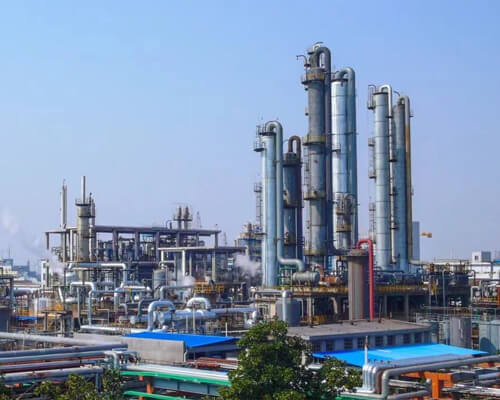
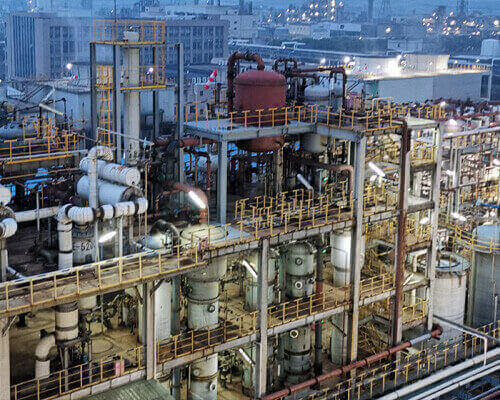
Manufacturing chemicals requires a blend of precision, scale, and long-standing investment. Zhejiang Juhua Co., Ltd. stands among those who have chosen the challenging road of building deep capability in a field where small missteps can turn into big setbacks. Over the decades, the company has become known for specialty chemicals, especially fluorochemicals. This niche brings its own standards for environmental control, safety, and innovation. In my own plant, demand for reliable refrigerants or fluoropolymers rises and falls with the market’s waves, but no shortcuts exist for quality or consistency. Unlike traders, manufacturers see the full landscape. Running reactors, managing byproducts, and designing systems for energy recovery and waste minimization all ask for long-term thinking. Juhua’s investment in vertical integration opens options that resellers simply cannot touch. This decision means the company delivers its own feedstocks, controls most process variables, and learns from process deviations in real time. Anyone who has wrestled with unpredictable upstream suppliers, especially in this segment, understands how much smoother production flows when the supply chain runs under one roof. That takes capital and technical courage; it also attracts contracts from customers who know the risks of off-spec material or missed deliveries. For those of us invested in continuous operation, reliable peer manufacturers take pressure off the industry as a whole—more stability, fewer panic-driven price spikes, less uncertainty in long-term planning. Making fluorinated chemicals stands at the intersection of chemistry and careful environmental management. The world sits on edge over emissions like HFCs or PFCs. I have walked floors where trace leaks or minor spills stirred concern—not only for compliance but for worker safety and brand trust. Zhejiang Juhua has done work to reduce emissions from their high-volume production sites, investing in closed-loop processes, reclamation units, and pilot projects for greener alternatives. These decisions go beyond check-the-box compliance; they answer a real risk, because a single accident—or even a chronic minor violation—can shut down a plant or turn away major buyers. Facing stricter European and North American import standards, Juhua’s push for cleaner production wins credibility. That also pushes the rest of us to adapt or get left behind. From raw material handling to wastewater purification, the technical details matter. My own plant has spent years adjusting catalysts or modifying filtration steps just to squeeze out an extra percentage point in waste reduction. Zhejiang Juhua’s reputation shows that technical detail gets rewarded in the market, which in turn keeps the technology moving forward. Suppliers who cut corners often find their material rejected, and that’s one headache buyers never forget. This approach, building an in-house toolbox for both process chemistry and compliance, changes the conversation from reactive to proactive. Sustained R&D cannot be separated from daily operations in specialty chemicals. Many forget that innovation is not only about inventing new products but also reengineering old ones for today’s needs. Juhua invests heavily in research, often partnering with technical institutes and universities. The result spills into the rest of the sector: improved catalysts, better reaction selectivity, smarter approaches to byproduct management. At our facility, collaboration and hiring from the same academic pipelines helps raise the bar for what gets accepted as normal operating procedure. Learning from those at the leading edge, especially in complicated fields like fluorinated intermediates, helps every manufacturer tighten controls and reduce “learning by accident.” Staff development also stands out. Juhua takes on apprentices, funds certifications, and rotates engineers across departments, ensuring practical versatility. We have seen similar benefits by doing the same, since a workforce that jumps between process improvement, maintenance, and quality control brings solutions that textbooks alone cannot provide. This approach guarantees that when equipment falters or raw materials deviate, reaction is faster and troubleshooting less disruptive. Retaining skilled teams keeps the machines running and the customer complaints down. That advantage cannot be bought off a shelf—years of investment show their value during unplanned outages or project launches. Chinese chemical producers used to face doubts about reliability and regulatory seriousness, especially from overseas buyers. Juhua’s track record shows how perception changes when product consistency meets regulatory alignment. The company’s exports now flow to both advanced and developing economies, often supporting industries that cannot afford unplanned downtime. Many of the resins or gases I work with trace back to origins like Juhua’s plants in Quzhou. As tariffs, logistics challenges, or sudden supply interruptions ripple through the market, having established volume suppliers keeps contracts—and the wheels of downstream industries—moving. This influence rises beyond just price or speed. Their presence raises expectations for documentation, material traceability, and logistics accuracy. Large customers now require data on batch composition, carbon footprint, and supply disruption risk—a trend sparked by leading manufacturers who push digitalization and system integration deep into their operations. My own staff spends more time coordinating order tracking and warehouse optimization because peer companies have forced those expectations higher, benefiting both end users and the environment. That helps everyone hedge against crisis. No company escapes the industry’s harder lessons. Energy consumption, waste management, and international politics continue to shape how plants operate. Global demand for fluorochemicals looks set for realignment as the world phases out ozone-depleting substances and tightens CO2 limits. Responding takes both agility and a willingness to rebuild. Zhejiang Juhua now faces pressure to commercialize new generations of refrigerants and to prove lifecycle sustainability—not just for the chemical, but for its entire process chain from mine to finished product. That complexity extends all the way down to us on the shop floor, where each maintenance round or fresh batch order can shift emissions or cost margins. There remains room for honest debate about overcapacity, price wars, and patent disputes. Every seasoned manufacturer knows the pain when new entrants sell below cost in hopes of grabbing share. Stabilizing strategies and long-term partnerships help fix some of the jagged cycles, though the market never stays still for long. As regulatory controls only get tighter, factory upgrades, digital transformation, and cross-border collaboration with both users and even competitors may offer relief. Investment in on-site solar or cogeneration is proving its worth under today’s energy prices. Those who lean into these realities, as Juhua has, will steer the pace and direction of the entire market’s next phase. CONTACT INFORMATIONWebsite:https://www.zhejiang-juhua.com/Phone:+8615371019725Email:sales7@bouling-chem.com